- Labelleworldkids_Teacher's Notes
- Posts
- Teacher's Note: Term 4 WK3
Teacher's Note: Term 4 WK3
It's Jolene, Your Early Childhood Educator and Ally. Another exciting week in Brisbane as an Early Childhood Educator, Woman and Business Owner

🌟 Editor's Note
Every October, we carve pumpkins, toss the innards, and move on.
But what if that discarded flesh held something more valuable than seasonal décor?
At Labelleworldkids, we teach children that sustainability isn't a buzzword—it's a practice. And it starts with a single pumpkin seed.
THE OVERLOOKED LESSON
Halloween teaches consumption. Buy the costume, carve the pumpkin, discard the waste.
Sustainability teaches stewardship. Use what you have, grow what you need, understand the cycle.
The intersection? A 12-week pumpkin lifecycle project that transforms October's waste into next year's harvest—and teaches your child patience, responsibility, and the art of delayed gratification in the process.
WHY IT MATTERS
Research from the Harvard Centre on the Developing Child shows children learn abstract concepts—trust, patience, environmental stewardship—through concrete, hands-on experiences.
A pumpkin seed is concrete. You plant it, water it, and watch it grow.
The lesson is abstract. Growth happens when you're not watching. Care compounds over time. What you nurture today feeds you tomorrow.
This is EYLF Outcome 2 (community and environmental responsibility) in practice—not in theory, but in the soil.
WHAT YOU'LL NEED
1 pumpkin (the one you're carving anyway)
Seeds from said pumpkin (free)
Soil (you likely have this)
12 weeks (you definitely have this)
Patience (this is the real investment)

THE PROCESS
Week 1: Harvest
Carve your Halloween pumpkin. Save half the seeds for planting and half the seeds to roast and eat
Week 2: Plant
Late October, early November. Plant seeds in your garden or large pots. Water daily.
Week 4: Sprout
Tiny green shoots appear. Your child learns: growth happens underground, unseen, before it's visible.
Week 8: Vine
The plant sprawls. Your child learns: consistent care compounds.
Week 12: Flower
Yellow blooms appear. Your child learns: beauty precedes harvest.
Week 16: Fruit
Small pumpkins form. Your child learns: patience pays.
Week 20: Harvest
Full-sized pumpkins ready for next Halloween. Your child learns: the cycle completes itself.
THE SUBTEXT
You're not just growing pumpkins.
You're teaching your child that:
Waste is a choice, not a given
Growth requires consistent, unsexy daily effort
Delayed gratification yields greater rewards
Environmental responsibility starts in your backyard
These are the lessons that shape adults who think critically about consumption, who understand systems, who value sustainability not as performance but as practice.
THE BRISBANE ADVANTAGE
Did you know that Queensland's subtropical climate is ideal for pumpkin cultivation? Plant in late October (post-Halloween), harvest by March (pre-autumn). The timeline aligns perfectly with Brisbane's growing season.
Varieties that thrive here: Queensland Blue, Butternut, Jarrahdale.
FOR THE WORKING PARENT
This project requires 5 minutes daily. Water the plant. Observe with your child. That's it.
No elaborate craft supplies. No Pinterest-perfect execution. Just soil, seeds, water, time.
It's the antithesis of performative parenting—and perhaps that's why it works.
THE EYLF ALIGNMENT
For educators and parents who value evidence-based practice:
EYLF Outcome 2: Children are connected with and contribute to their world
Application: Understanding environmental cycles, responsibility for living things, connection to place
EYLF Outcome 4: Children are confident and involved learners
Application: Sustained investigation over time, cause-and-effect understanding, scientific inquiry
EYLF Practice: Learning through play
Application: Hands-on, child-led exploration with educator scaffolding
This isn't just gardening. It's a curriculum.
THE INVITATION
This Halloween, before you toss the pumpkin innards, pause.
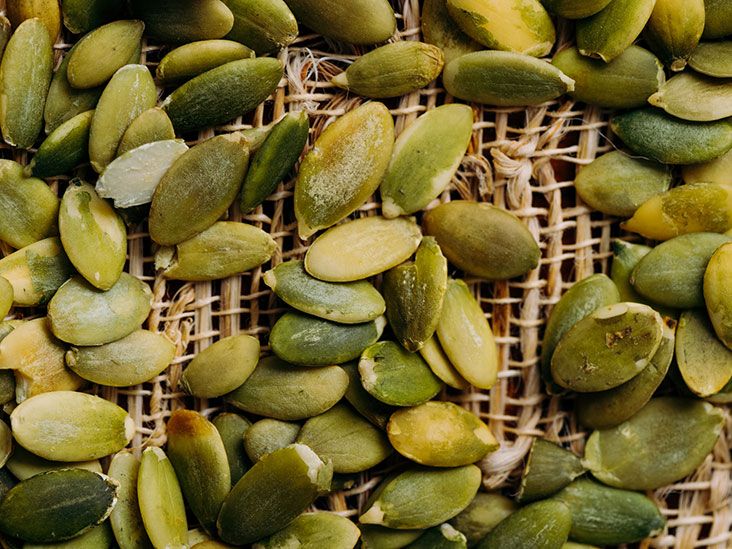
Extract the seeds. Rinse them. Plant them or roast them and add them to your Salad
Teach your child that sustainability isn't about grand gestures—it's about small, consistent choices that compound over time.
Just like the pumpkin.
Want the full 12-week guide?
DM @labelleworldkids: PUMPKIN
Brisbane families seeking EYLF-aligned in-home education:
Term 1, 2026 | Two spots available
New Farm · Ascot · Bulimba · Paddington · Bardon · Chapel Hill · The Gap. Buderim
🦄 Labelleworld Life Edit
(A Curated Guide for Brisbane's Busy Education-Focused Parents)
SELF-CARE and WELLNESS CORNER 🌿
My latest obsession is pumpkin seeds. Add Roasted Pepitas (pumpkin seeds) to your morning yoghurt, or roast them and eat them as a snack, or sprinkle them on salads.

PSA (Caution): When in Doubt, seek a medical professional. I am not a Doctor or Nutritionist
Supervise your Children if you are adding Seeds and Nuts to their diet, as they can be a choking hazard, and check with Doctors if you know or suspect your Child is allergic
Health Benefits
Want the full 12-week guide?
DM @labelleworldkids: PUMPKIN
Brisbane families seeking EYLF-aligned in-home education:
Term 1, 2026 | Two spots available
New Farm · Ascot · Bulimba · Paddington · Bardon · Chapel Hill · The Gap
Jolene Chiu is a qualified early childhood educator with 5+ years of experience in play-based, EYLF-aligned learning. Labelleworldkids offers premium private in-home education for Brisbane families who value intentional, evidence-based practice.
Till next time,